Zero-Waste Smoothie Prep: A Technical Guide
As an Amazon Associate I earn from qualifying purchases.
True zero-waste smoothie prep is about moving beyond “recyclable” and into a circular system of reuse. By eliminating single-use plastics and pre-packaged cartons, you reduce your environmental footprint and often save money on groceries.
Here is a technical guide to building a zero-waste prep workflow for your kitchen.
1. The Storage System: Beyond Ziplocs
Traditional meal prep often relies on plastic freezer bags that inevitably end up in a landfill. To achieve zero waste, you need high-performance, temperature-resistant silicone or glass.
- The Industry Leader: Stasher Silicone Stand-Up Bags
- Technical Edge: These are made from platinum-grade silicone and feature a patented Pinch-Loc seal. The “Stand-Up” version is critical for smoothie prep—it stays upright on the counter, making it easy to dump in leafy greens and frozen fruit without a mess.
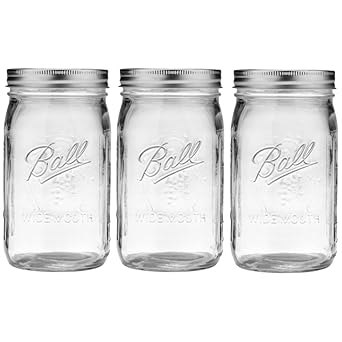
- The Glass Standard: Ball Wide Mouth Quart (32 oz) Mason Jars
- Technical Edge: Glass is infinitely recyclable and won’t leach microplastics into your food. Use these for “dry prep” (seeds and powders) or as your final vessel. Pro-Tip: Leave 2 inches of headspace if freezing liquids to prevent cracking.

2. The Liquid Base: DIY Nut Milks
Tetra Pak cartons (like those used for almond or oat milk) are notoriously difficult to recycle because of their plastic/paper/aluminum layers. Making your own liquid base is the single biggest zero-waste upgrade you can make.
- Essential Tool: Ellie’s Best Organic Cotton Nut Milk Bag
- Technical Edge: Unlike nylon bags, these are made from 100% GOTS-certified organic cotton. They allow you to strain homemade almond, oat, or hemp milk to a café-quality consistency while being fully compostable at the end of their long life.

3. The Extraction: Stainless Steel Straws
If you prefer a thick, spoonable smoothie, a standard straw won’t cut it. You need a wide-bore “smoothie straw” that can handle high viscosity without clogging.
- Essential Tool: Senneny Extra Wide Stainless Steel Smoothie Straws
- Technical Edge: These feature a 12mm diameter (nearly 0.5 inches), which is double the width of a standard straw. They are dishwasher safe, rust-proof, and designed specifically for thick blends.

4. The “Second Life” Strategy: Scrap Freezing
Zero-waste blending also means using the parts of the fruit we usually discard.
- The Technique: Keep a dedicated Stasher Bag in your freezer for “smoothie scraps.”
- What to save: Kale stems, overripe banana peels (chopped small), and strawberry tops (the green “hull” is completely edible and nutrient-dense). When the bag is full, blend it into a high-fiber “Green Base” for your next batch.
Technical Workflow for Success:
- Batch Prep: On Sundays, portion your solids (fruit, greens, scraps) into silicone bags.
- Dry Prep: Measure your “Micronutrient Boosters” (hemp seeds, powders) into small glass jars so you don’t have to open five bags every morning.
- Fresh Liquid: Blend 1 cup of nuts with 4 cups of water and strain through your nut milk bag. Store in a glass jar for up to 4 days.
- Flash Clean: Always rinse your blender and silicone bags immediately after use. Dried smoothie acts like cement; immediate rinsing saves gallons of water and hours of scrubbing over time.
By shifting to these durable tools, you ensure that the only thing leaving your kitchen is a nutrient-dense smoothie—not a bag of trash.